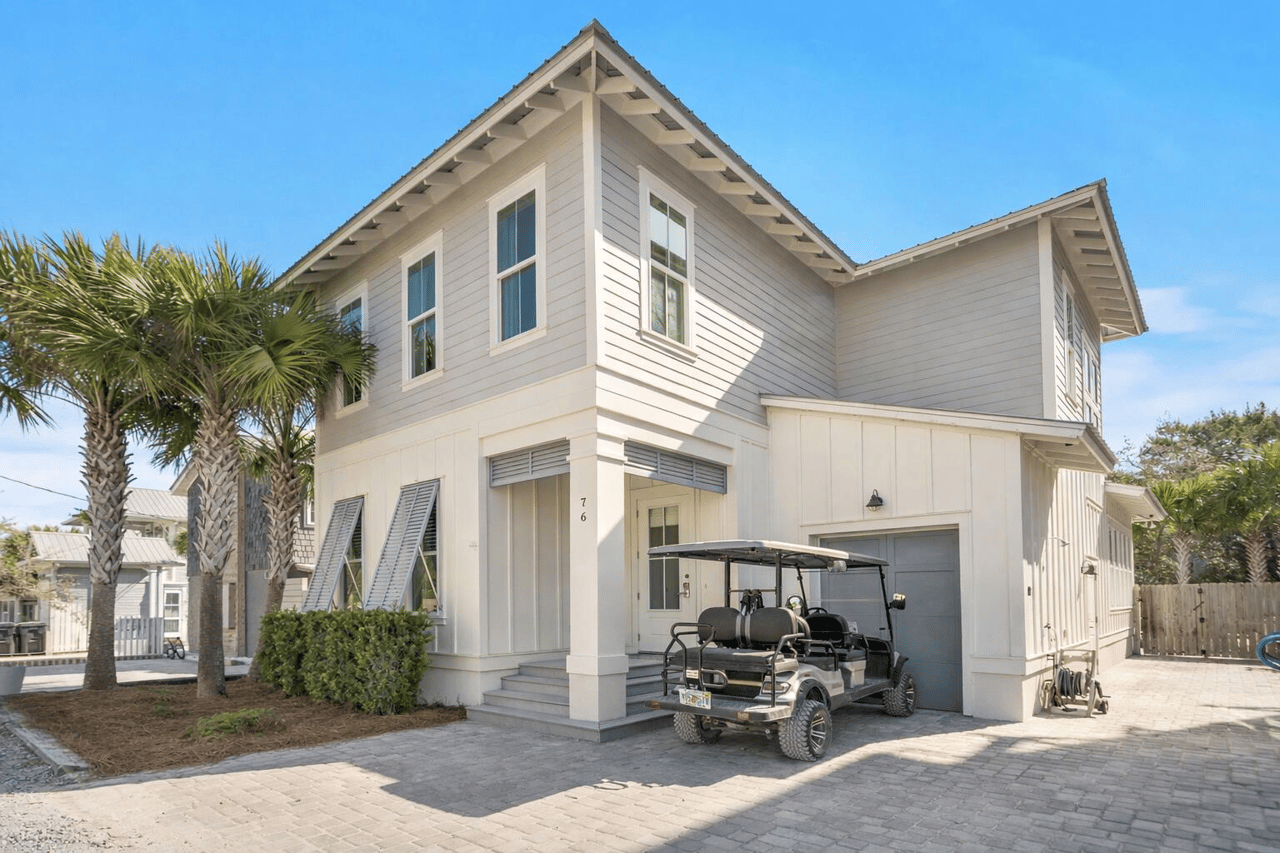
A strong partnership agreement for a shared 30A property should clearly define ownership, finances, usage, decision making, and exit strategy. According to Luke Andrews, the difference between a successful partnership and a strained one comes down to how well these are outlined upfront.
Start with ownership structure. This should reflect each partner’s actual contribution and directly tie to how income, expenses, and control are divided.
Next, outline financial responsibilities. Every cost, from taxes and insurance to maintenance and upgrades, should be accounted for, along with what happens if one partner falls behind.
Usage and rental strategy is where most partnerships succeed or fail. Whether the property is for personal use, income, or both, the agreement should define scheduling, peak time allocation, and who manages the day to day operations. Luke Andrews emphasizes treating time at the property like a structured asset, not an informal arrangement.
Decision making should also be clearly defined. Set rules for both minor decisions and major ones like renovations, refinancing, or selling.
Finally, the exit strategy is critical. Include buyout terms, valuation methods, and scenarios that trigger a sale or ownership transfer. This ensures one partner cannot force an untimely decision.
When structured correctly, a partnership becomes a strategic investment. Without it, even strong relationships can break down.

Office 2048 West County Hwy 30A #107 Santa Rosa Beach FL 32459
Office 2048 West County Hwy 30A #107 Santa Rosa Beach FL 32459